Best Time of Year to Snorkel St. Thomas: Month-by-Month Guide

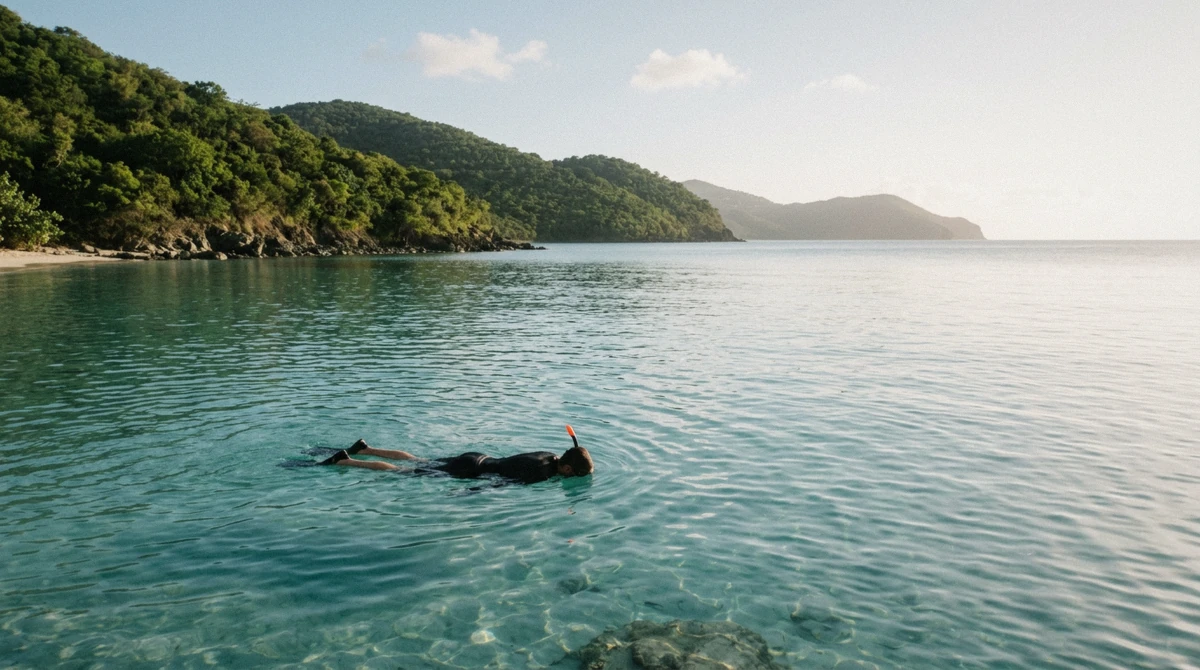
April through June is the best time to snorkel St. Thomas, when the seas run calmest, the water is clearest, and the winter crowds have thinned out after Easter. The runner-up window is late fall, once hurricane season's peak has passed but before the December rush arrives. The month we would steer most travelers away from is September, the statistical peak of hurricane season and the wettest stretch of the year. This best time to snorkel st thomas guide breaks the whole year down month by month, with real water temperatures, honest crowd patterns, and the one week-by-week plan for travelers locked into a specific date.
Quick answer
The best window to snorkel St. Thomas is April through June, when seas are calmest, water runs clearest, and crowds have thinned after the Easter rush. December through April is the busier, pricier runner-up window with reliably calm winter conditions. September is the month to avoid, the statistical peak of hurricane season and the wettest stretch of the year.
Key takeaways
- Best window: April through June, calmest seas and clearest water
- Runner-up: December through March, dry and calm but the peak cruise and crowd season
- Avoid: September, the statistical peak of hurricane season and the wettest month
- Wind, not rain, is what actually clouds the water here, a fact most listings skip entirely
- Mornings beat afternoons, calmer before the trade winds build after midday
- September and October are also the cheapest, quietest months to book a snorkel tour
Seasons at a Glance
Read the Verdict column first if you're short on time; it's the honest one-line call for each month. Every figure below is typical for the month, not a promise for your exact dates, so check the forecast as your trip gets close.
| Month | Water & Visibility | Weather | Crowds | Verdict |
|---|---|---|---|---|
| January | 79°F, generally clear | Dry, under 2 inches of rain | High (peak season) | Good, but crowded |
| February | 78°F, the coolest water of the year | Dry, under 2 inches of rain | High (peak season) | Calm, clear, crowded |
| March | 79°F, clear | Dry, under 2 inches of rain | High (spring break) | Great water, packed beaches |
| April | 80°F, clear and warming | Transitioning drier to wetter | Moderate, easing after Easter | Best overall |
| May | 82°F, warm and clear | Mild, moderate rain | Low to moderate | Best overall |
| June | 84°F, warm | Mild, hurricane season begins | Low | Very good, low risk still |
| July | 85°F, warm | Brief lull in the wet pattern | Low to moderate (summer travel) | Good value |
| August | 86°F, warmest of the year | Hurricane activity picking up | Moderate | Warm water, rising risk |
| September | 86°F, warmest of the year | Wettest month, over 5 inches | Low (quietest month) | Avoid, hurricane peak |
| October | 85°F, warm | Wet, over 5 inches | Low (quietest month) | Skip, still risky |
| November | 83°F, warm | Wet, over 5 inches | Low, rising toward December | Improving, still wet |
| December | 81°F, warm | Drying out again | High (holiday rush) | Good, book early |
No two adjacent months share an identical verdict here except the genuinely tied pair, April and May, both the strongest all-around window of the year.
Typical air temperatures and rainfall by month, from NOAA climate normals for the Virgin Islands.
| Month | High | Low | Rain |
|---|---|---|---|
| January | 85°F (29°C) | 72°F (22°C) | Low |
| February | 85°F (29°C) | 72°F (22°C) | Low |
| March | 86°F (30°C) | 74°F (23°C) | Low |
| April | 87°F (31°C) | 75°F (24°C) | Moderate |
| May | 88°F (31°C) | 76°F (24°C) | Moderate |
| June | 89°F (32°C) | 77°F (25°C) | Moderate |
| July | 90°F (32°C) | 77°F (25°C) | Low to moderate |
| August | 90°F (32°C) | 78°F (26°C) | Moderate |
| September | 90°F (32°C) | 78°F (26°C) | High |
| October | 89°F (32°C) | 77°F (25°C) | High |
| November | 87°F (31°C) | 76°F (24°C) | High |
| December | 86°F (30°C) | 74°F (23°C) | Low |
By the actual numbers, September and August run the hottest, February is coolest, and September through November are the wettest stretch, each typically bringing over 5 inches of rain against under 2 inches in the January to March dry season. Figures are typical NOAA climate normals for the Virgin Islands; check the current forecast close to your travel dates.
Best Season by Traveler Type
If you're a photographer chasing the clearest water
aim for April through June, when visibility peaks and crowds thin enough to get a clean shot at a reef.
If you're traveling with family and want the calmest, shortest-risk window
May or early June combines warm 82°F water with low hurricane risk and manageable heat.
If this is your first time snorkeling and you want the safest bet against a cancelled trip
February or March, reliably dry and calm, even though it's also the busiest stretch.
If you specifically want to see the green turtles at Brewers Bay
they graze the seagrass year-round, so any month works, though calmer April through June water makes them easier to spot.
If budget is the deciding factor and conditions still need to hold up
June or early July, past the spring rush and before the worst of hurricane season, with genuinely acceptable water.
Winter (December to March): Dry, Calm, and Busy
Winter is the reliable season. Rain stays under 2 inches a month from January through March, the seas are consistently calm, and water holds at 78°F (26°C) to 81°F (30°C), cool enough that some travelers notice it but still comfortable without a wetsuit any month of the year. The trade-off is crowds: this is peak cruise and tourist season, and on multi-ship days Coki Point fills by late morning.
Book two to three weeks ahead for a December or February trip if you want your first-choice departure time.
- Water: 78°F to 81°F (26°C to 27°C)
- Crowds: high, peak cruise season
- Price signal: pricier, book ahead
- Booking lead time: two to three weeks for peak dates
The Buck Island catamaran sail runs well through this window and is worth booking early given the demand.
Spring (April to June): Clearest Water, Thinnest Crowds
This is the best window of the year, and it's not close. Seas are calmest, water warms from 80°F to 84°F (27°C to 29°C), and crowds ease noticeably once Easter passes. Rain starts to pick up from the dry winter pattern but stays moderate, well short of the fall deluge.
Hurricane season technically opens June 1, but early June carries considerably lower risk than the late-summer months.
- Water: 80°F to 84°F (27°C to 29°C)
- Crowds: moderate, easing fast after Easter
- Price signal: better value than winter, before summer demand builds
- Booking lead time: one to two weeks is usually enough
The all-inclusive sailboat day with its St. John reef stops is a strong pick in this window, when the calm seas make the crossing especially smooth.
Summer (July to August): Warmest Water, Rising Risk
Water peaks here, climbing to 85°F to 86°F (29°C to 30°C) by August, the warmest of the year. July brings a brief lull in the wet pattern before hurricane activity picks up through August. This is genuinely good value: crowds run low to moderate outside the July 4th week, and prices sit below the winter peak.
- Water: 85°F to 86°F (29°C to 30°C)
- Crowds: low to moderate, aside from the July 4th week
- Price signal: better value than winter
- Booking lead time: a few days is usually fine outside holiday weeks
The two-reef snorkeling trip runs daily through this stretch and is a good match for the warm, generally settled July conditions.
Fall (September to November): Warm Water, Real Risk
Water stays warm, 83°F to 86°F (28°C to 30°C), through the fall, but this is also the wettest and riskiest stretch of the year. September through November each typically bring over 5 inches of rain, and September is the statistical peak of hurricane season. It's also the quietest, cheapest window on the island, and by late November conditions are visibly improving as the season winds down.
- Water: 83°F to 86°F (28°C to 30°C)
- Crowds: low, the quietest months of the year
- Price signal: cheapest window on the island
- Booking lead time: minimal, availability is easy to find
The guided Brewers Bay shore snorkel is a good fit for a late-November trip, once the wet pattern has eased and the turtles are still grazing the seagrass as they do year-round.
What Actually Affects Conditions
Most people assume rain ruins snorkeling here. It's actually wind, not rain, that clouds the water. A quick afternoon shower passes through and the reef stays clear underneath it. What actually stirs up visibility is run-off after a heavier rain and, in winter, a north swell rolling in off the Atlantic. Both physically churn sediment into the water column in a way that a passing shower simply doesn't.
This is also why the same beach can be glassy on one December morning and murky the next: it's tracking the wind and swell forecast, not the rain forecast. Boat captains read this and simply move to the lee side of the island when the north shore turns; shore snorkelers at an east-end or north-facing beach don't have that option and should check conditions before wading in.
Best Time of Day
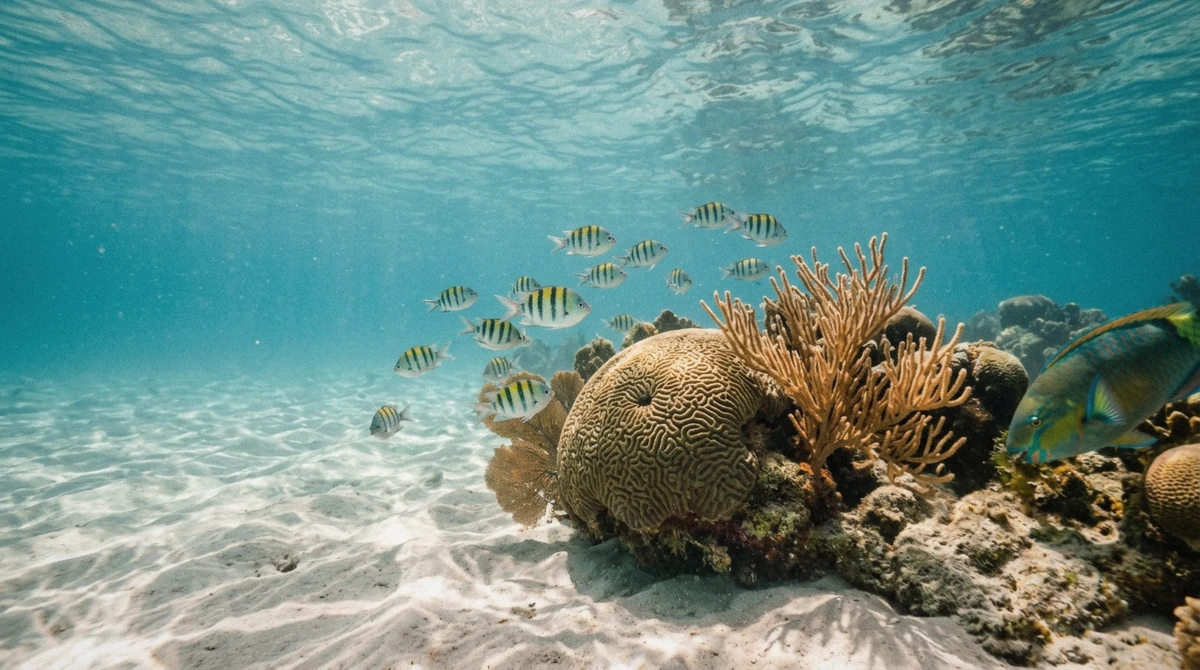
Morning wins, and it's not close. Trade winds build through the day and typically pick up noticeably after midday, so the calmest, clearest water is almost always in the first half of the morning. Bookings on the Buck Island catamaran, which departs earlier in the day, tend to get flatter seas and better visibility than an afternoon slot on a windier day.
The one exception worth naming: weekend afternoons at Coki Point get crowded regardless of water conditions, purely on foot traffic from cruise passengers and locals both arriving by then.
Crowds and Prices Through the Year
December through April is peak season, and on multi-ship cruise days, Coki Point specifically fills by late morning, not by afternoon. If your day includes Coki in the winter, plan to arrive early or pick a day with fewer ships in port. September and October are the quietest months on the island, when tour prices hold steady but seats are far easier to find than during the busy morning departures of peak season.
The Best Month If You Only Have One Morning
Ranked for a traveler with a single fixed morning and no flexibility to move dates:
- May, the strongest overall pick: warm water, thin crowds, low storm risk
- April, nearly as strong, with slightly cooler water and a few more crowds right after Easter
- June, still very good, water at its warmest short of summer and hurricane risk still low this early
- February, the safest bet against cancellation if reliability matters more than crowds, at the cost of a busier beach
The Worst Time to Visit (Honestly)
September, plainly. It's the statistical peak of hurricane season and the wettest month of the year, with typically over 5 inches of rain. Water is at its warmest, 86°F (30°C), but that's cold comfort against real storm risk and rough conditions when a system does pass close.
It still works for one specific traveler: someone chasing empty beaches and rock-bottom crowds who is genuinely flexible on dates and comfortable adjusting plans around a forecast. Everyone else, especially anyone locked into fixed dates with no slack to rebook, should look at October or later instead.
What If the Weather Turns?
Light rain rarely cancels anything here; it's wind and real storm systems that do. The standing norm on St. Thomas is a free rebooking or a full refund when the captain, not the guest, calls the cancellation.
If your trip lands in a weather-sensitive window like September or October, it's worth keeping a spare morning open rather than booking your only snorkel day on your last morning on the island. Shore snorkeling at a calm, protected spot is also a reasonable fallback if a boat trip gets bumped for weather, see our shore snorkeling vs boat tour breakdown for which beaches hold up best.
So, When Should You Go?
April through June remains the best overall window: calmest seas, clearest water, and crowds that have thinned out after Easter. If budget matters more than the absolute best conditions, September and October are the cheapest, quietest months and still deliver 86°F (30°C) water, provided you can stay flexible around the forecast. The one month we would steer almost anyone away from is September, the wettest month and the statistical peak of hurricane season.
Once you've settled on a window, compare St. Thomas snorkeling excursions for your travel dates.
Frequently Asked Questions
What is the best month to snorkel in St. Thomas?
May, closely followed by April and June. Seas are calmest, water runs 80°F to 84°F, and crowds have thinned after the winter and Easter rush.
When is hurricane season in the US Virgin Islands?
Officially June 1 through November 30, with the most active stretch August through October and September the statistical peak. Early June carries considerably lower risk than late summer.
Is winter good for snorkeling in St. Thomas?
Yes, conditions are dry and calm from December through March, though it's also peak cruise season, and Coki Point specifically fills by late morning on multi-ship days.
Morning or afternoon, which is better for snorkeling?
Morning, clearly. Trade winds build through the day and typically pick up after midday, so the calmest water is almost always earlier in the morning.
How far in advance should I book a snorkel tour?
Two to three weeks ahead for peak season dates, December through April. Outside that window, a week or less, and sometimes just a few days, is usually enough to find a seat.
When are St. Thomas snorkel tours cheapest?
September and October, the quietest months on the island, when seats are easiest to find even though published tour prices generally hold steady year-round.